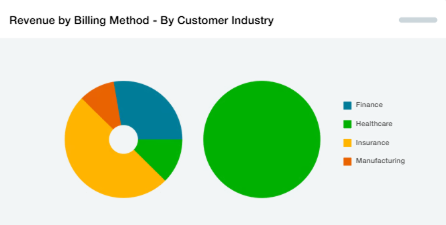
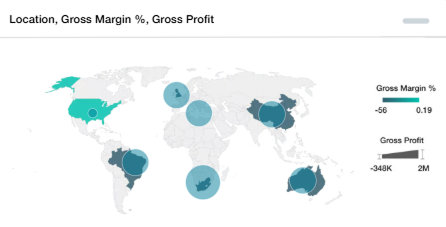

Sage Intacct transforms how businesses manage finance, bringing together automation, visibility, and control in a single, flexible system built for accuracy, insight, and long-term growth.

Over 22,000 organizations trust Sage Intacct to streamline their financial management and drive long term success.
Companies can now slash month-end close process time by up to 66% with Sage Intacct’s efficient, AI-powered general ledger.
Automating accounts payable alone saves hundreds of hours each year by eliminating repetitive tasks and unnecessary errors.
Sage Intacct delivers a rich set of features that streamline accounting tasks and provide real-time insights for finance teams. From automation to analytics, TydeCo™ helps you get the most out of these core features to truly empower your finance department.
Eliminate repetitive payment work with workflows and built-in visibility. Sage Intacct’s Accounts Payable module allows you to automate vendor payments, saving your team hundreds of work hours and reducing manual error frustration.
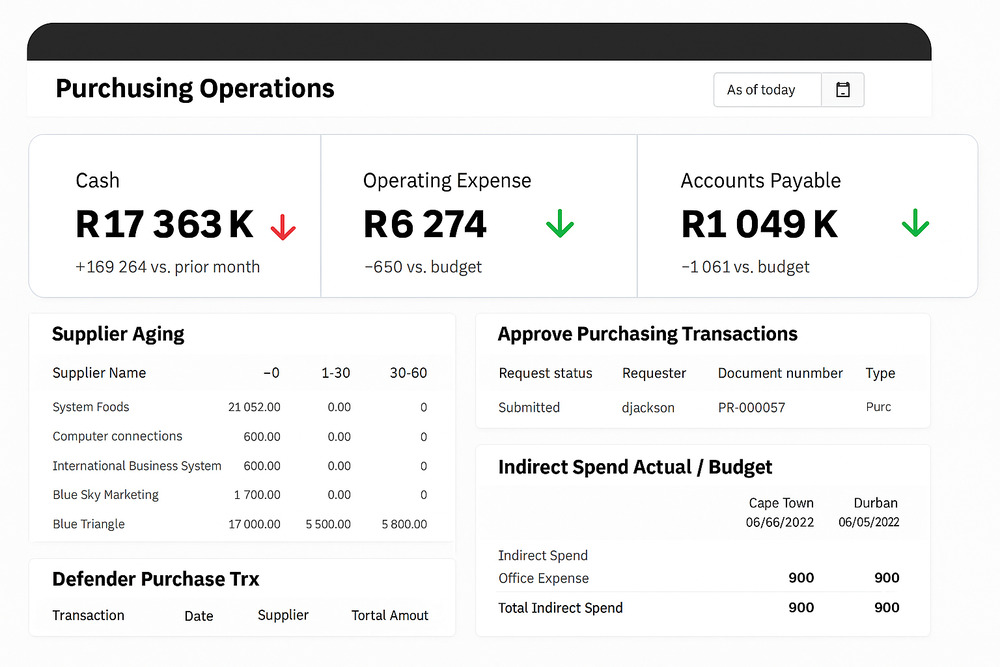
Speed up your invoicing and collections using Intacct Accounts Receivable automation. This key feature helps you get paid faster by removing inefficiencies, improving cash flow and reducing days sales outstanding.
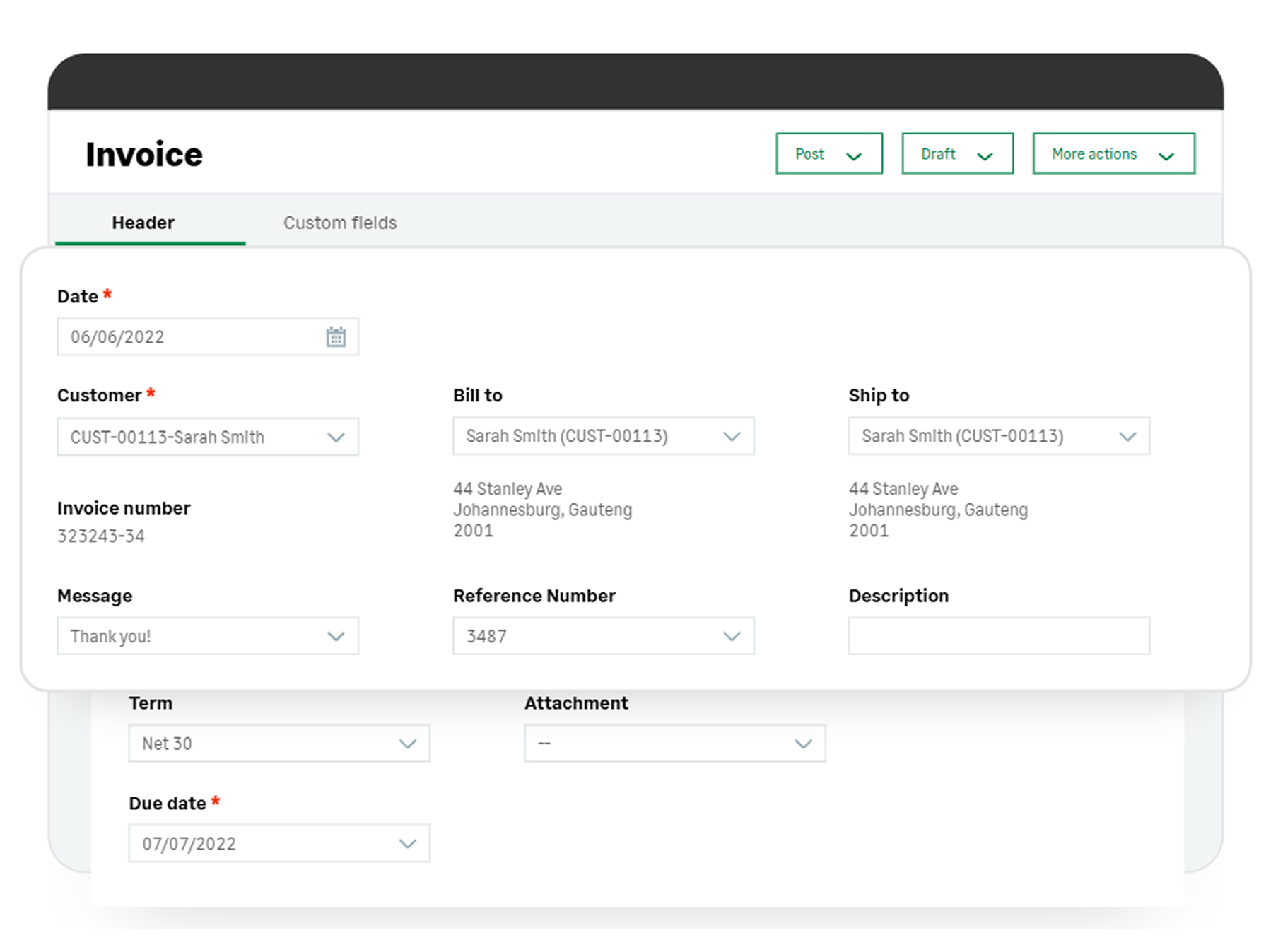
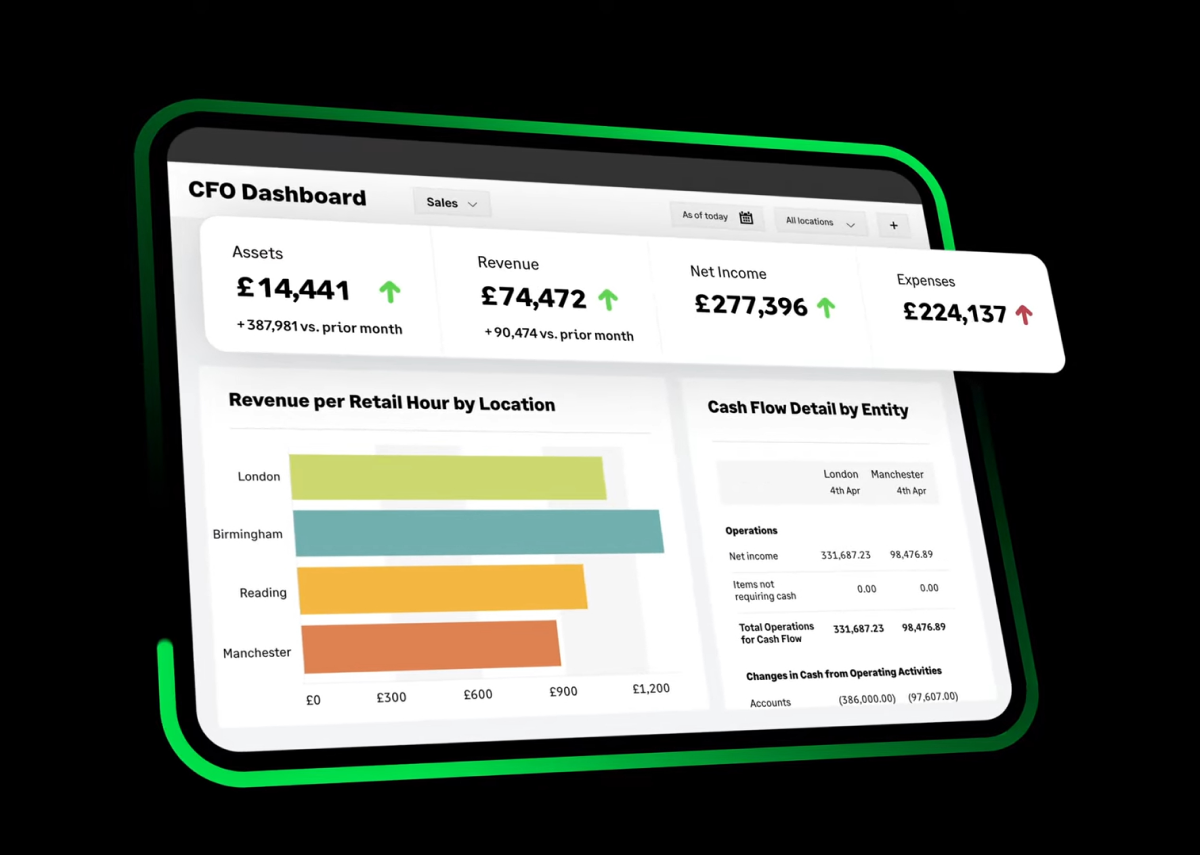
Gain real-time visibility into your financial performance via Intacct’s dynamic dashboards and multidimensional reports, allowing instant drill-down into your data for granular analysis and better data-driven decisions.

Tag your business transactions with custom categories (e.g. department, project, location) for more flexible reporting. Intacct’s Dimensions let you slice and filter your financial data in seconds without needing complex charts of accounts.

Leverage AI and machine learning to keep your books continually up-to-date. Intacct’s Intelligent GL finds discrepancies, highlights insights, and provides continuous accounting accuracy with minimal manual effort.

Manage multiple entities and currencies, all within one system. Sage Intacct eliminates spreadsheet-based consolidations, giving you a full global view of your financials with real-time drill-down into any entity’s data.
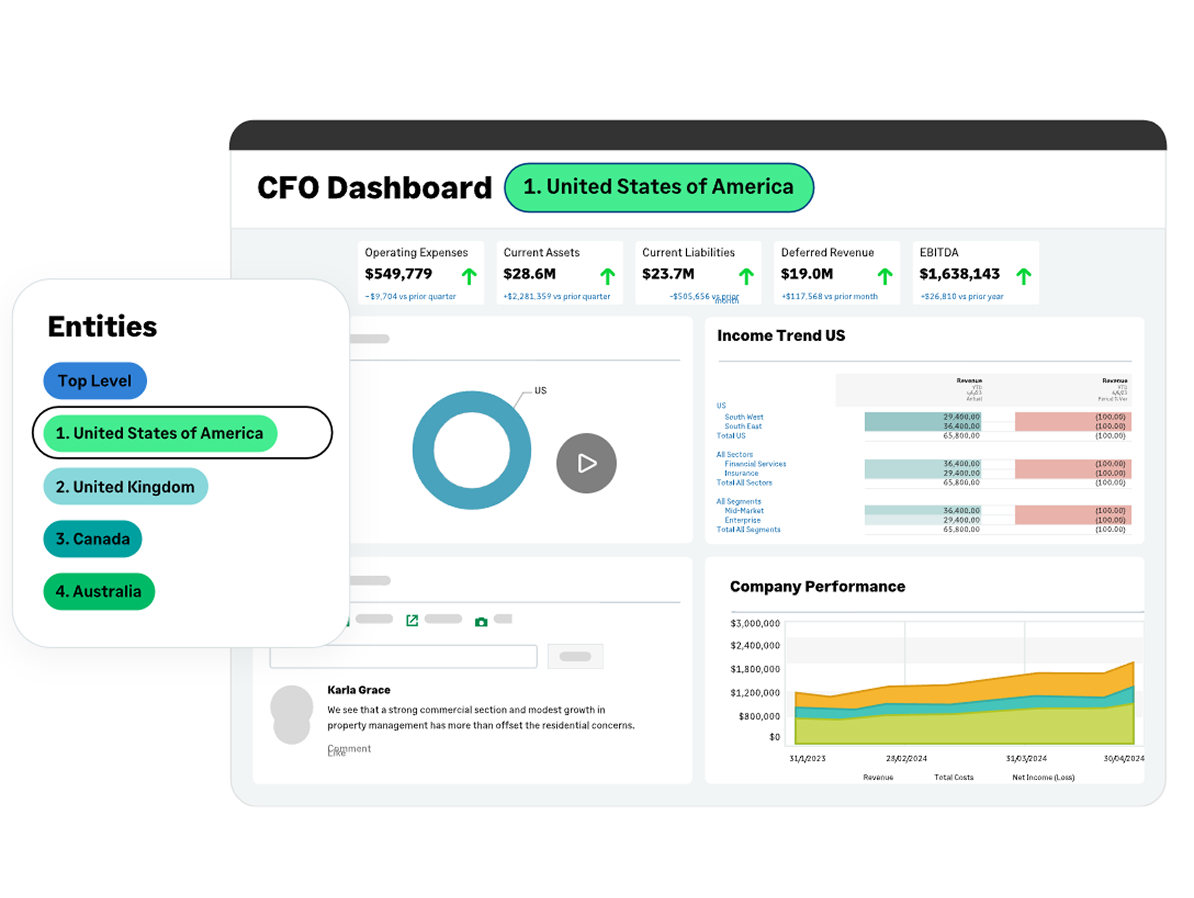
Seamlessly connect your Intacct solution with your other business systems. The Sage Intacct platform provides robust APIs that integrate efficiently with CRM, payroll, or industry-specific tools, giving you a single source of truth.

TydeCo™ leverages Sage Intacct’s extended capabilities to transform finance operations beyond mere core accounting. With our Sage expertise, businesses can enhance forward planning, analytics, and HR management as well.
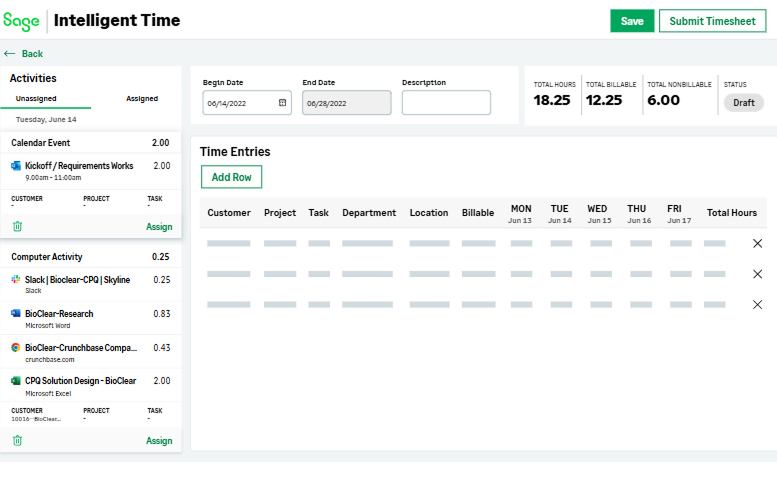
Sage Intelligent Time uses AI to automate timesheets, improve billing accuracy, and track time across projects, employee activities, and service engagements.

Manage multi-entity operations, automate consolidations, handle multi-currency transactions, and meet international compliance with global financial capabilities.

Automate asset tracking, depreciation, and reporting across entities with centralized data, flexible books, and real-time visibility in Sage Intacct.
How Habitat for Humanity used Sage Intacct to scale impact, improve transparency, and empower teams—without growing their headcount.
We’ve almost quadrupled the amount of families we’ve served in the last eight years, but we haven’t even doubled the size of our staff. And the reason why is because we’ve taken tools like Sage and we’ve been able to improve the amount of good work that people can do.


Sage Intacct is known for its depth in financial reporting and automation, especially for teams navigating rapid growth or multi-entity setups.
Get a quick look at Sage Intacct’s core capabilities and how it supports smarter, faster decision-making across finance teams.
We’re proud to support the teams behind these logos. Long-term partnerships built on trust, capability, and results that hold up.






TydeCo™ works with finance-driven teams in industries where real-time reporting, multi-entity visibility, and audit readiness are essential.
We want the world to see how virtually anything is possible with the right tools, solutions, support, and, of course, expertise.
Explore our latest thinking on financial systems, reporting strategy, and digital transformation, tailored to the industries and tools we support.
Sage Intacct is an advanced ERP platform that provides everything SaaS businesses need for effective financial management. For instance, two of its standout features are investor-grade reporting and recurring revenue visibility. In fact, it boasts native SaaS Intelligence that categorizes subscriptions across several recurring revenue scenarios. This includes new subscriptions, expansions, contractions, renewals, and churn.
In terms of performance analysis, Sage Intacct tracks meaningful SaaS metrics, which include:
It also measures payback periods and revenue churn in real-time. Automation ensures all this happens without clunky spreadsheets or manual inputs. What’s more, these metrics are linked to GAAP financial data from the general ledger. This integration provides leadership and investors with accurate data that stems from a single source of truth.
Sage Intacct’s SaaS-specific financial system embeds SaaS Intelligence within its ERP platform. This automatically ensures that SaaS businesses have direct access to essential data, including contracts, order entry, billing, revenue recognition, expenses, and cash data. This is great because manual processes are eliminated.
What’s more, this comprehensive network doesn’t need any integrations with third-party tools. Analytics get a bit of a boost, especially when it comes to tracking recurring revenue across 20+ scenarios. The depth of information is exactly what leadership needs to discover the activity that drives changes in ARR or CMRR at a transactional level.
The internal architecture ensures metrics are current, auditable, and aligned with financial reporting. This is particularly beneficial because it ensures the accuracy of data in board reports, improves investor understanding, and sets the stage for operational planning.
The upshot? Faster reporting, fewer errors, and reduced risk of conflicting numbers across your system.
TydeCo™ is a certified Sage Partner and implementation specialist. As such, one of our areas of expertise is setting up Sage Intacct for SaaS and other subscription-based businesses. We start by finding out as much as possible about your businesses and its unique operations, including sales processes, billing, revenue recognition, and reporting to stakeholders.
The next step is configuring the relevant Sage Intacct modules, like Contracts, Order Entry, and SaaS Intelligence to match your subscription lifecycles, covering upgrades, downgrades, renewal, and churn.
We manage integrations, connecting Sage Intacct (your ERP platform) with CRM, billing platforms, payment systems, and data warehouses. This ensures the smooth flow of data across your tech stack.
Your system is tailored to suit your reporting requirements, especially as they relate to dimensions, dashboards, and cohort analysis. Ultimately, we design a system that provides robust, yet flexible support that delivers accurate metrics, optimized processes, and sustainable growth.
Yes, it can. One of Sage Intacct’s primary advantages is its scalability. The modular approach enables SaaS businesses to start small and add features and functionality as they grow. For example, businesses in their infancy need automated revenue tracking, cash visibility, and fairly limited metrics, including CAC, cash flow, and customer lifetime value.
However, growing businesses have more complex accounting needs, especially relating to subscription structures, multi-entity operations, usage-based billing, and churn and expansion analysis.
Further down the line, your growing company will need strong controls, audit-readiness, multi-currency support, and advanced reporting. Advanced reporting features must provide meaningful data that drives accurate forecasting and profitability analysis.
Our expert finance teams work with you as you grow, not only providing essential financial services, but also ensuring business continuity because modular systems increase capacity without replacing your core financial system or rebuilding reporting frameworks.
Sage Intacct virtually eliminates manual processes, including data entry and spreadsheet exports through automation. For example, subscription data is automatically analyzed and categorized, kicking manual metrics calculations to the curb.
Real-time data updates work magic when it comes to reporting. Data in dashboards is always current (up to the minute) and can easily be pulled into reports, which are generated in minutes rather than weeks. This saves whopping amounts of time while providing far greater insights when it comes to board and investor reports.
Sage Intacct’s architecture unifies essential processes across multiple sites and entities. For example, unified billing, revenue, expenses, and cash data eliminates duplicate data entry and ensures consistency across the entire platform, including integrated tools.
This results in cleaner processes and more reliable metrics, which means your dedicated finance team can focus more time on strategy, forecasting, and growth.