
From private practices to multi-entity healthcare networks, TydeCo™ helps medical organizations simplify their reporting, securely manage compliance, and scale growth with an expert team by their side.
We help healthcare providers align systems, billing, and reporting so clinical teams can focus on care, not admin work.
TydeCo™ delivers healthcare-specific bookkeeping that ensures compliant records, accurate revenue recognition, and clear departmental profitability for complex operations.
TydeCo™ delivers structured financial oversight for healthcare organizations, fixing reporting gaps and enabling accurate, timely, informed financial decisions.
TydeCo™ equips healthcare CFOs with real-time data, forecasting tools, and actionable insight to drive strategic, care-informed financial decisions.
TydeCo™ re-engineers healthcare system implementations to match real workflows, ensuring compliance, data clarity, and strong clinical and financial adoption.
TydeCo™ integrates healthcare systems to eliminate manual errors, strengthen compliance, and deliver real-time financial and clinical data clarity.
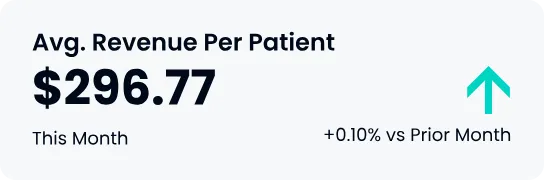
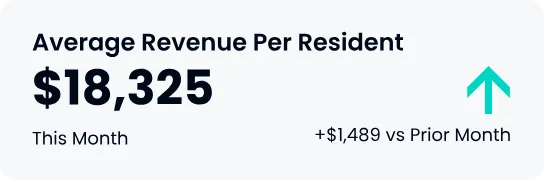
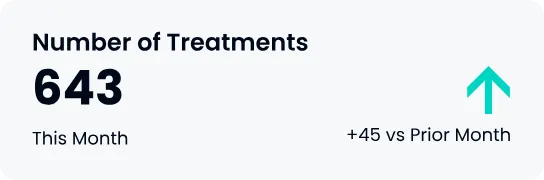
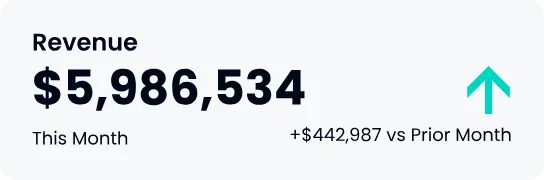
Track financial performance, billing trends, and compliance risks with real-time dashboards built around your organization’s specific healthcare data.
From multi-site practices to specialty groups, we build systems that connect finance, payroll, and compliance across your operations.
Provides your business accurate, compliant payroll processing with cloud-based access and includes smart features like automated leave management and built-in legislative updates.

Simplifies all bookkeeping, invoicing, and reporting processes for small to mid-sized businesses, offering real-time financial visibility and helpful automation features.

TydeCo™ works with a wide range of healthcare providers, adapting solutions to suit your structure, needs, and compliance obligations.

Maintain oversight across departments, manage costs, and improve financial transparency.
Simplify billing, automate reporting, and track profitability with ease.
Manage patient invoicing, payroll, and compliance requirements in one place.
Ensure smooth financial operations, reduce manual data entry, and centralize HR.
Optimize inventory tracking, process claims, and improve financial forecasting.
Gain financial oversight for grant funding, operational expenses, and workforce management.
We help health and medical organizations improve reporting, manage costs, and stay compliant across complex operational structures.
We manage group structures with multiple facilities, ensuring clean data and accurate consolidations.
Our team understands healthcare-specific compliance and ensures financial reporting meets industry standards.
We provide tailored dashboards for revenue, treatments, and other KPIs to support informed decision-making.
From single practices to nationwide groups, our systems and team scale with your organization’s growth.
We’re proud to support the teams behind these logos. Long-term partnerships built on trust, capability, and results that hold up.







We take time to understand what’s not working, then build practical systems that fix it and keep it fixed.

We dig into what’s slowing you down, pinpointing messy processes, gaps, and what’s getting missed or duplicated.

We outline what needs fixing, what it’ll take, and what a better setup looks like.

We get your team aligned, systems configured, and workflows in place, without confusion, rework, or wasted time.
We want the world to see how virtually anything is possible with the right tools, solutions, support, and, of course, expertise
Explore our latest thinking on finance, technology, and the strategies shaping tomorrow’s business landscape.
Healthcare teams ask how to simplify finance, billing, and compliance without disrupting care. Here’s where we usually begin.
Healthcare has some pretty unique accounting and bookkeeping requirements. The different types of payment being just one. It’s obviously important to capture all payments, but it’s also important to keep track of billing. Here’s how we improve both revenue recognition and billing for healthcare service providers.
Track reimbursements, co-pays, and deductibles against service delivery. This aligns revenue to care and not simply when cash enters the system.
Align categories and departments. Leaders have a clear view of service lines and real margins, so they can quickly act if necessary.
Automate AP and AR routing. Entries land in the right place and don’t go walk-about. Exceptions stand out for attention.
Build cadences for reporting to ensure close is predictable and month-end board packs are consistent.
Ensure you have plenty of evidence by tying documentation to entries. Audits and payer reviews will move faster as a result.
Mistakes (hopefully) don’t happen often, but they do happen. We provide a range of solutions to prevent “oops” moments and keep processes and operations trundling smoothly along. For instance, establishing monthly reporting routines with clear ownership. Someone must be accountable for movement and ensure that drift and carryovers collapse.
Integrating spend approvals is important to ensure vendor payments respect policy and compliance requirements. Assigning role-based access for leaders across finance and clinical systems reduces financial risk and protects sensitive data from unauthorized personnel, which reduces the risk of data breaches.
Defining revenue policies for grants, billing, and contracts removes conflict and disputes during reviews.
Conflict and disputes can also be avoided by meticulously logging evidence for each and every change to your system. This provides data regarding the changes (like changes to your billing policy) and keeps walkthroughs short and specific.
Leaders in healthcare-related businesses know that EMR, payroll, billing, and finance are interconnected. At least they should know how important the connections can be. We take the following steps to build logical relationships among them.
Link EMR and billing to the ledger. This ensures claims, adjustments, and write-offs reconcile.
Connect payroll to cost centers. Connecting the two is necessary for labor cost to sit with units and specialties.
Establish clear paths for data to move continuously. Dashboards can then show live patient volumes and shifts.
Take care when mapping identifiers. This is important to ensure patient and encounter data isn’t duplicated across departments.
Maintain one customer and vendor list. It keeps matching and reporting together, providing a relatively easy to understand view for finance teams, leaders, and boards. This facilitates informed and insightful decision making to drive the business forward.
Dashboards can be your best friends, provided you set them up properly to provide meaningful data. Here are some of the dashboards that matter most for clinical and finance leaders.
And last, but definitely not least, it’s a very (very) good idea to create a small data pack that updates daily. It gives leaders and boards (all the decision makers) accurate data so they can make informed decisions that rely on the latest picture.